
Finding Houston Residents in Records
Lead with what you already know. A current street address points to the Harris Central Appraisal District property search. A deed question goes to the County Clerk index. An old household belongs at Clayton Library. The Houston residents directory is a route across separate custodians, not one master roll. Property rolls can tie an owner to a parcel. Voter rolls and court tools confirm a narrower public record. For a past household, a library directory or newspaper is often the stronger source. Keep each record distinct as you work. A parcel is a mapped property unit, not a household. A tax mailing address only shows where notices travel. Any name match needs a second independent anchor, such as a legal description, a record date, or a court number. The result may connect someone to Houston. It should not be stretched into a claim the source never makes.
- Search an address, account number, or owner name in HCAD and save the parcel account and situs address.
- Use the County Clerk’s recorded-property search to check the grantor, grantee, recording date, and legal description.
- For a registration question, use the Texas SOS or Harris County voter portal rather than assuming an address lists a household.
- For a historical name or address, search the digitized and physical Houston directory runs at Clayton Library.
- When the web index stops, request an existing record from the right custodian, visit a research terminal, or use an archive or microfilm route.
Houston Resident Records Offices
Houston's core current records sit in Harris County offices. The city and state add layers of their own. The Clerk holds recorded land instruments and the historic books behind them. HCAD links owner names and addresses to appraisal accounts. Elections offices manage voter-record access. The District Clerk keeps public court indexes. None of them doubles as a citywide household list. So a whole-street search needs its own address-based sequence rather than one overstretched office.
Harris County Clerk
201 Caroline, Suite 310
Houston, TX 77002
713-274-8680
Harris Central Appraisal District
13013 Northwest Freeway
Houston, TX 77040
713-957-7800
HCAD Parcels for Houston Residents
For turning a Houston address into a property record, HCAD is the fastest official bridge. Search by account number, property address, or owner name. Online public data covers 2009-current, and older appraisal material stays with the agency itself. A result can return an account, owner, situs location, and mailing address. It may also include a legal description, exemptions, values, sales data, and a sketch. Remember the boundary. It is an appraisal record, not a deed. Its polygon is not a survey.
The HCAD public-records entry point opens the agency's search tools.
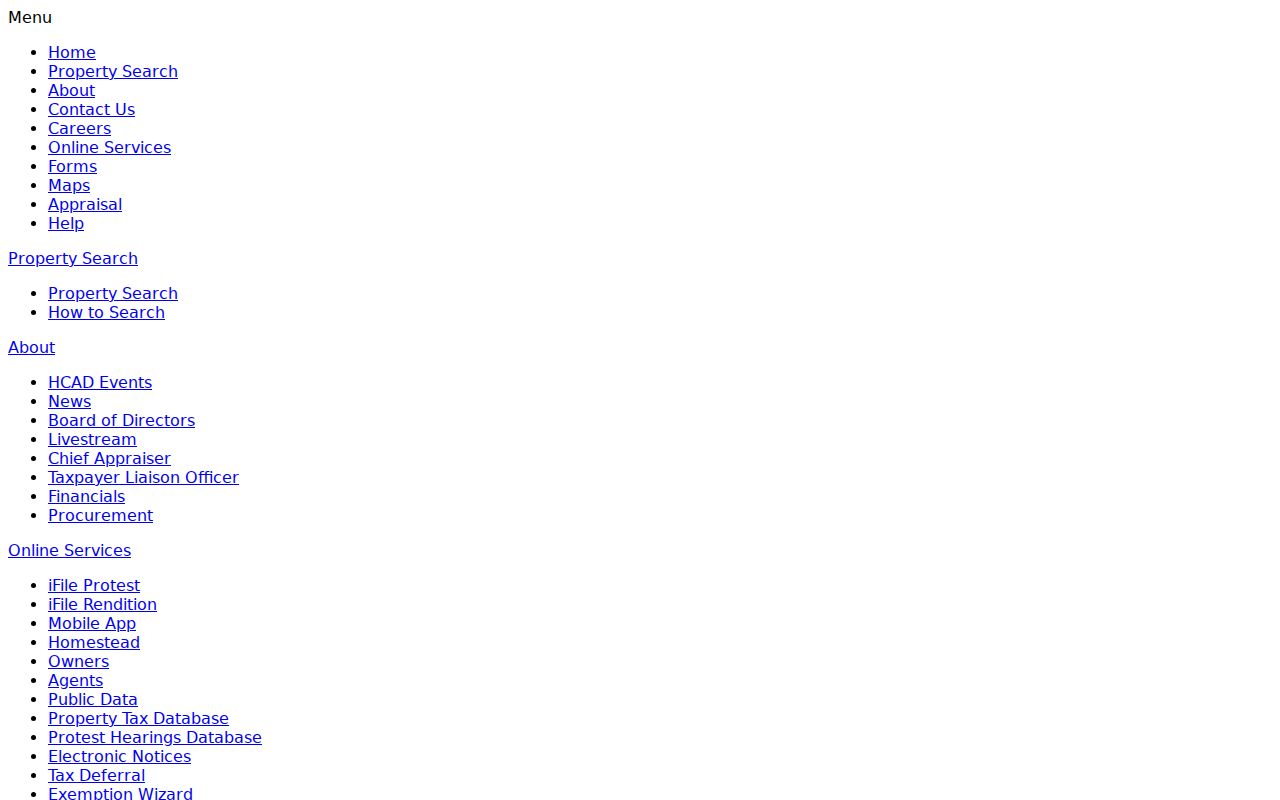
Choose the strongest search key on the entry screen before weighing an HCAD result against a clerk record or a voter result.
| HCAD route | Best use | Important limit |
|---|---|---|
| Account number | Open one known appraisal account | Requires the exact account. |
| Property address | Find the parcel at a Houston situs address | Street suffixes and directions can affect matching. |
| Owner name | Find a property association | A mailing address is not confirmed residence. |
| Parcel Viewer | See the selected parcel and adjoining polygons | Boundaries are approximate and the service caps responses at 1,000 records. |
Note: Houston parcel, postal, legal-description, and tax-mailing fields are different keys, so compare them before calling a record a current resident match.
Houston Deed Names and Descriptions
The Harris County Clerk Real Property Search is a grantor-and-grantee index. It has legal-description tools built in. Online images generally start November 1, 1960. The wider land-record chain reaches back to 1836 through office, warehouse, archive, and microfilm routes. A grantor transfers an interest and a grantee receives one. The labels trace ownership over time. They cannot, on their own, establish who occupies a place today.
The County Clerk's recorded-property search shows practical ways to narrow a Houston record.
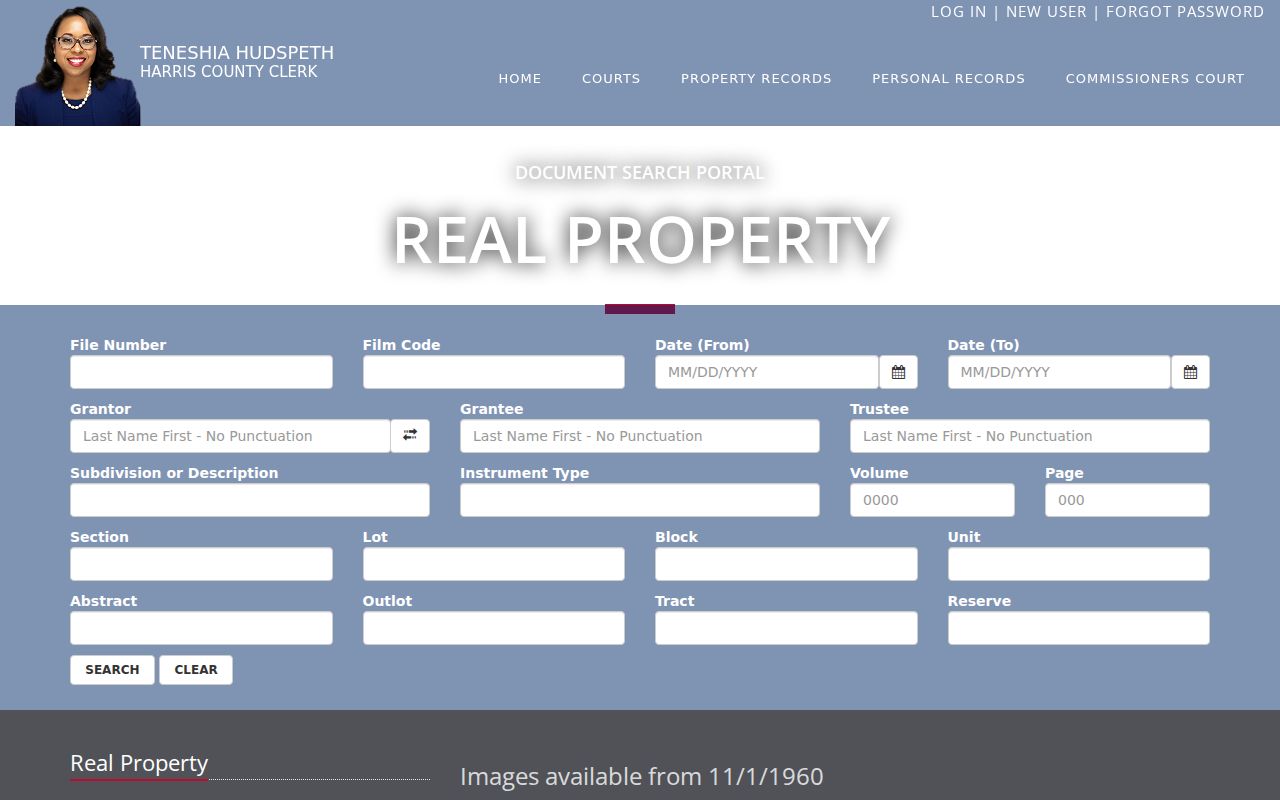
Its fields favor names and legal descriptions, which is why an old Houston address may require a subdivision, lot, block, abstract, or tract search.
| Names | Grantor, grantee, and trustee use a last-name-first format without punctuation. |
|---|---|
| Date range | Use the displayed MM/DD/YYYY fields to narrow a time period. |
| Property key | Subdivision or description, section, lot, block, unit, abstract, outlot, tract, or reserve can bridge changing street names. |
| Result trail | Save file number, film code, instrument type, recording date, volume/page, and image or copy path. |
Free watermarked web images, office terminals, microfilm, and certified copies each serve a different purpose. A certified copy carries the custodian's authentication. A web image is only a research lead. That gap matters most when a deed feeds an estate or title question.
Houston Voter Record Boundaries
Texas provides the My Voter Portal, and Harris County runs its own voter-registration portal. Each handles a single registration question well. Neither is a household roll. Statutory limits shape what public voter information reveals. Protected voters or Address Confidentiality Program participants may show no ordinary public address. A no-match can reflect spelling, county, status, timing, or protection. It does not prove a person never registered.
The official Texas voter lookup models the focused search. That search deserves pairing with another custodian's record.
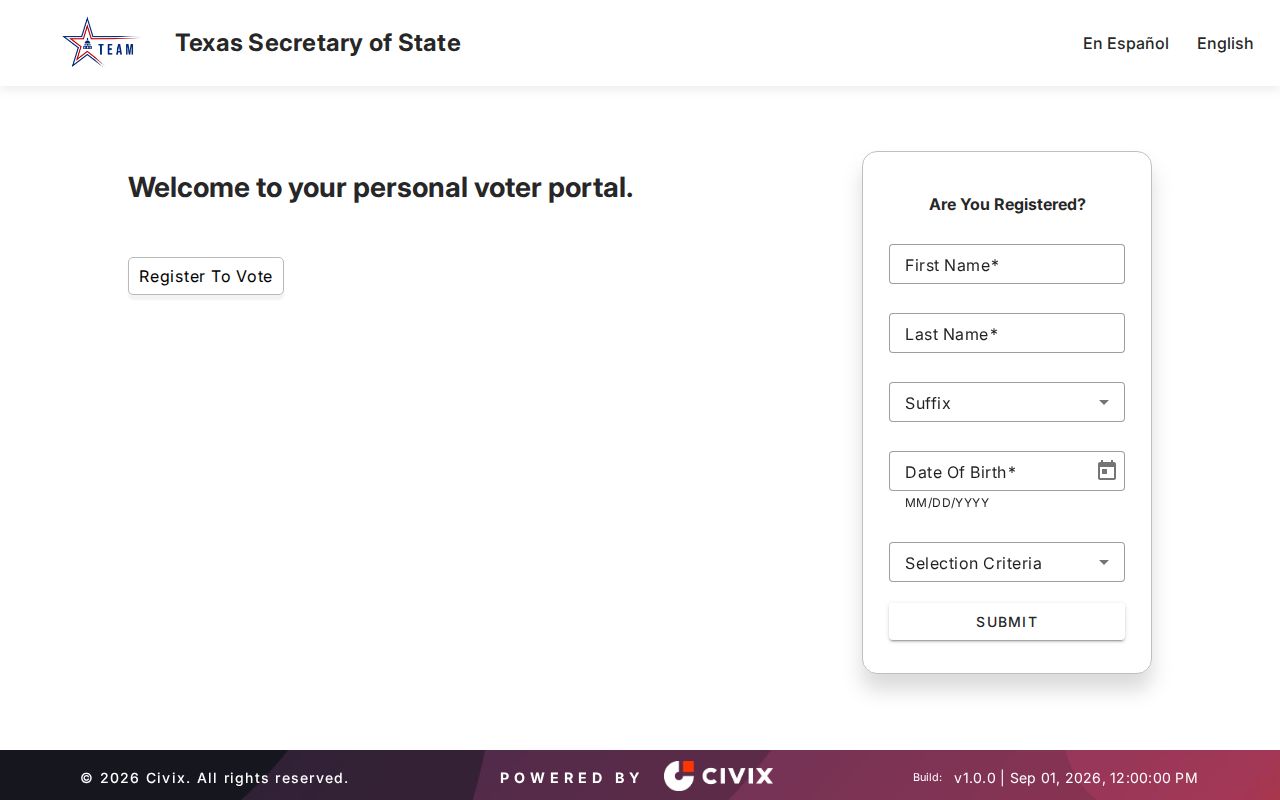
Use the portal to check registration context, keep the search date, and never treat the result as a roster for a block or building.
Records use. Houston records support personal, family-history, estate, civic, and correction work. They must never be used to stalk, harass, intimidate, or harm someone.
Current Houston Resident Directory Sources
Current Houston residents surface in different public records for different reasons. HCAD ties an owner to a parcel. The Clerk's index names parties to recorded documents. A voter tool answers registration questions within statutory protections. Courts list public parties, not a general resident register. The city's Super Neighborhood directory maps civic geography and a liaison, not private membership. Choose the source that fits the question, then respect its stated boundary.
| Source | Who It Lists | Keeper | Access |
|---|---|---|---|
| HCAD property roll | Owners connected to a parcel | Harris Central Appraisal District | Online 2009-current; older files through HCAD |
| Recorded-property index | Grantors, grantees, trustees, and document parties | Harris County Clerk | Online images generally from 11/1/1960; earlier channels exist |
| Voter registration lookup | One voter’s public registration context | Texas SOS / Harris County | Public lookup with protected-person and field limits |
| District and JP case indexes | Parties in public court matters | Harris County courts | Public portals; restricted matters do not display |
| Super Neighborhood directory | Community-area name, status, number, and liaison | Houston Department of Neighborhoods | Public civic directory, not a member list |
When one name must be checked across several custodians, the Houston resident lookup workflow keeps property, court, voter, and vital records in their proper lanes. A directory search is strongest when it records what was searched, when, and which custodian supplied each result.
Houston Court Names Need Context
The Harris County District Clerk Party Inquiry indexes public district civil, family, and criminal cases. A login is required. Filters help. Party role, filed-date range, and case status can all narrow a search. Court type and case or offense type work too. Justice of the Peace courts run their own lookup. Options include case number, name and date of birth, driver license, business, or chosen court. Houston Municipal Courts take a different path. Records the city holds there come through a public-information request. The District Clerk screen shows why a common Houston name needs careful narrowing. Otherwise no resident lookup or street directory effort can rely on it.
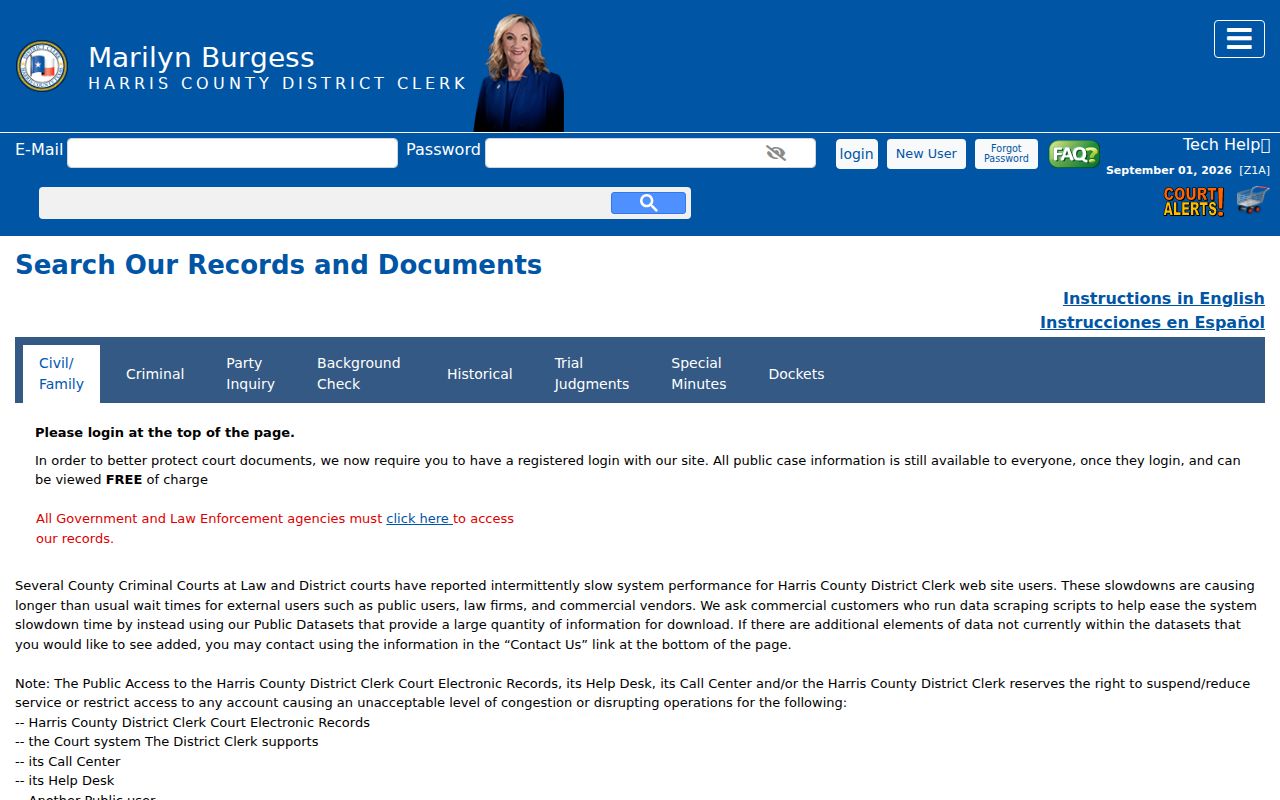
A case hit is a lead, not a file. It can supply a party name, court, date, status, or docket pointer. It is not a certified disposition or proof of identity. Sealed, juvenile, expunged, confidential, and some family matters sit outside ordinary public searching in Houston.
Houston Vital Index Paths
Houston vital events can sit with three custodians. The Houston Health Department acts as local registrar for city births and deaths. The Harris County Clerk keeps county vital records plus a birth and death search, while Texas DSHS holds statewide indexes, verification letters, and state copies. Marriage licenses come from the county of filing. Divorce decrees come from the district clerk that handled the case. A state verification letter is not the license or decree itself. The Harris County Clerk vital search splits Birth and Death options and wants a last-name-first entry without punctuation, which matters for any Houston residents directory search that turns on vital records.
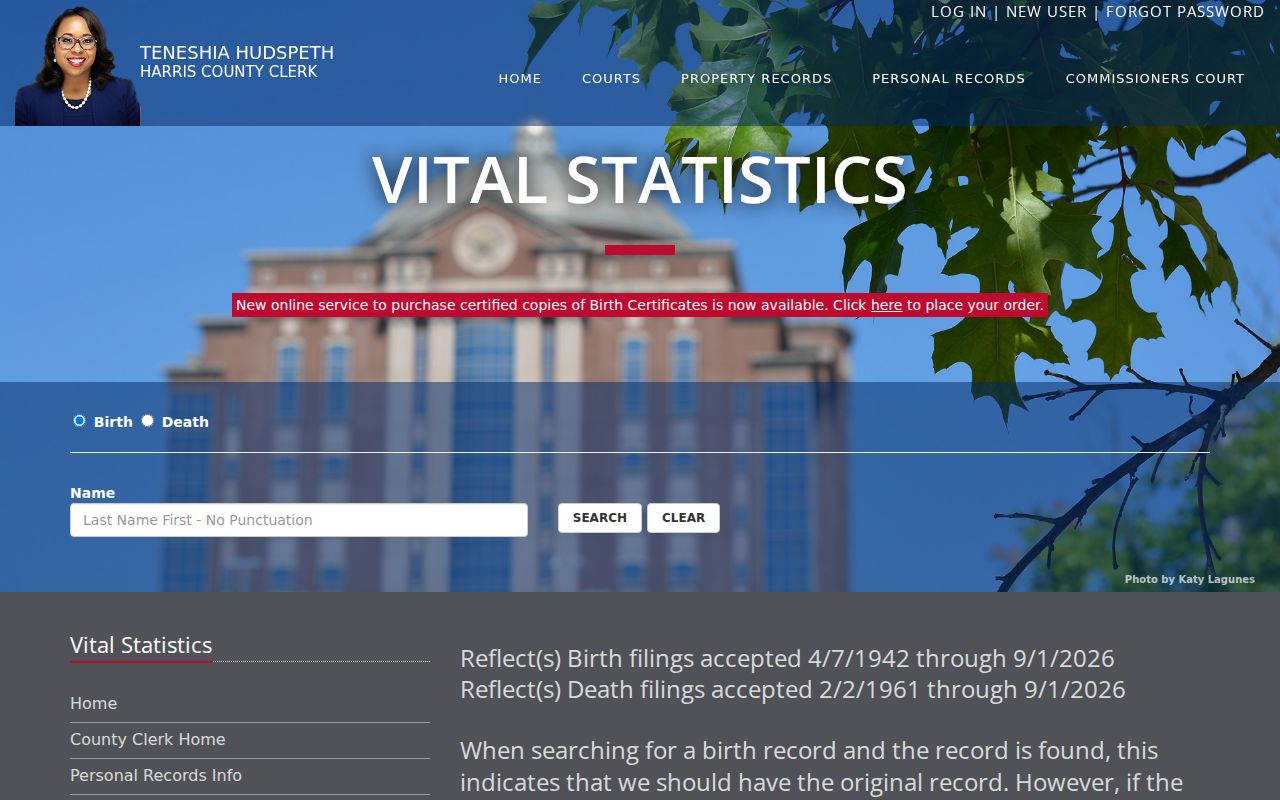
The county form is a name lead, while appointment, mail, and state procedures are alternate access channels. Birth records are confidential for 75 years and death records for 25 years under Texas Government Code §552.115. Certified-copy eligibility remains a separate question.
The Texas DSHS request procedures show the state route when a Houston search does not cover the needed event.
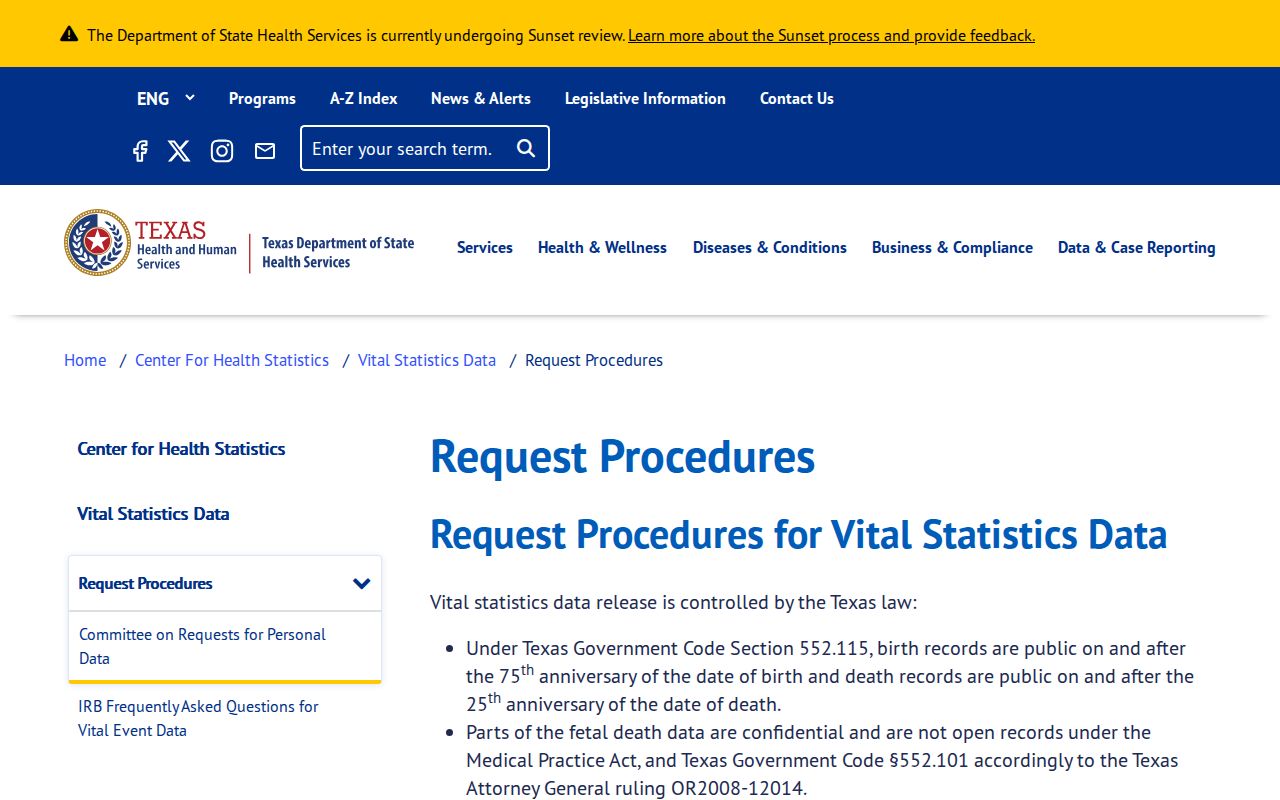
Read the state procedure closely. It separates an index search, a verification request, and an eligible certified-copy order before you send payment or identification.
Houston’s 88 Community Areas
Houston's Super Neighborhood directory names 88 community areas. Each one carries a status, number, and Mayor's Assistance Office liaison. The list helps when a name, address, or old record needs neighborhood context. Downtown, Greater Heights, Greater Third Ward, Midtown, Near Northside, Spring Branch groups, Sunnyside, and Westbury appear among the named areas. The program links communities to city resources. It is not a directory of individual neighbors or association members. A resident lookup or neighbors search should not lean on it for people.
Houston also has overlapping maps. A Super Neighborhood, parcel, ZIP, voting precinct, postal city, and incorporated city limit can each draw different lines. The right map depends on the record. Use the community directory as a civic locator. Then ask the named liaison or organization about archival material rather than inferring membership from a boundary.
Historical Houston Resident Directories
Houston’s historical directory trail begins with an 1866 volume in the Houston Public Library digital collection. Public-domain volumes run through 1923 online, while Clayton Library’s physical holdings continue through 1986 and HeritageQuest covers part of the 1925-1959 run. City directories can place a person or business at an address for a given year, and later criss-cross volumes can work from an address toward a listed householder. The full collection-by-collection route is on the Houston city directories page.
Clayton’s shelves also include newspapers, funeral-home material, yearbooks, microprint, and family vertical files. The Fogle-West collection spans about 1921-1975, Boulevard Funeral Home material about 1961-1967, and HPL has city death-certificate indexes and images for 1874-1900. For limited reference help, the library documents requests for one address in five-year increments or two addresses in two- to three-year increments, subject to its monthly limit.
- Roll
- A maintained list or record series, such as a tax or voter roll, with a defined purpose and boundary.
- Index
- A searchable pointer to a record. It may not include the original image or a certified copy.
- Criss-cross directory
- An address-first directory used to find a listed householder, distinct from an alphabetical name directory.
- Parcel
- A mapped property unit. It can identify land or ownership context but does not list every person there.
Houston Records Beyond the Web
A blank online search does not end the Houston records trail. The County Clerk's land-record history runs from 1836 to the present. Yet early books and later pre-web records may still require a counter visit, research terminal, archive request, or microfilm. Harris County Archives offers appointment research. It holds county-office records, private manuscripts, bound volumes, newspaper volumes, and more than 14,000 microfilm rolls. The Texas State Library and Archives Commission adds reel-level Harris County deeds, probate, tax, court, survey, and naturalization material. Some of it is available through interlibrary loan.
Known gaps deserve a documented answer, not a guess. TSLAC notes missing pages 1-78 in Harris County probate volume A. It also notes some missing criminal volumes and deed-index reels split by surname. Try a neighboring record series, book, reel, newspaper, archive, or County Clerk warehouse source. Houston's record history is one of changing access paths. The first city directory dates to 1866. Online real-property images generally begin in 1960. HCAD's online public appraisal data starts in 2009. Past residents of Houston therefore often live only in older records.
Several non-web channels are precise enough to use well. The County Clerk's Public Records Department holds historic books from 1836 through the late 1950s. Harris County Archives describes a collection drawn from more than 70 offices plus private manuscript groups. TSLAC's Harris County list identifies direct and reverse deed indexes. It also identifies county and district court records, probate volumes, surveys, tax rolls, and a naturalization index. Ask for a precise surname, date range, instrument, volume, or reel. That request serves an archive far better than a broad appeal to search for a person.
Houston Public Records Request Routes
Texas law promises access to existing public information. The Texas Public Information Act sits in Tex. Gov't Code chapter 552. No reason is needed. Still, an office cannot be made to create a new resident list, disclose restricted material, or swap out its normal record system. Send your request to the custodian. Name the record type and the time range, keep a copy of the request date, and ask whether the material arrives as an image, an index, or a plain copy. The state's overview explains fees, exceptions, and rulings. A 2025 Attorney General update adds a no-responsive-information notice for when a governmental body cannot locate records within 10 business days.
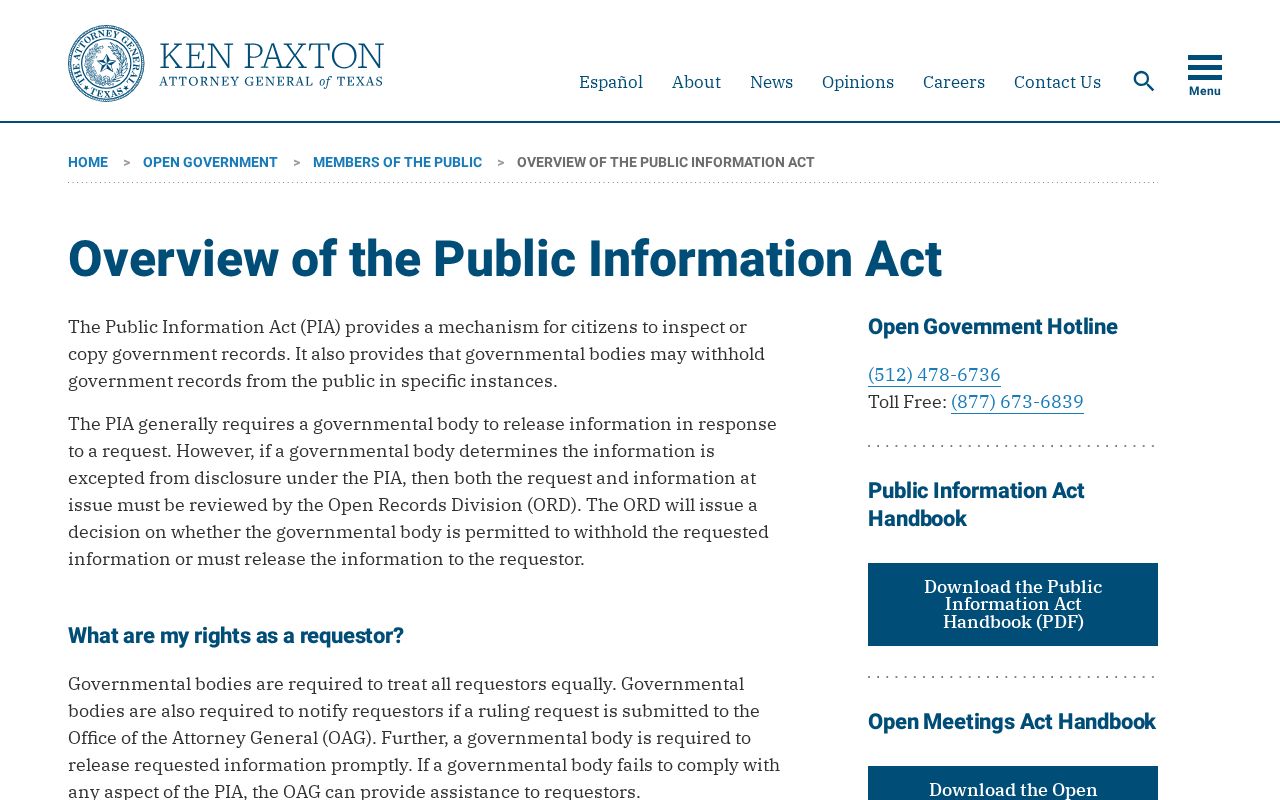
Harris County Clerk material has its own route. Use the Clerk's public-records channel or visit the clerk's office, whichever fits the record and the copy you need.
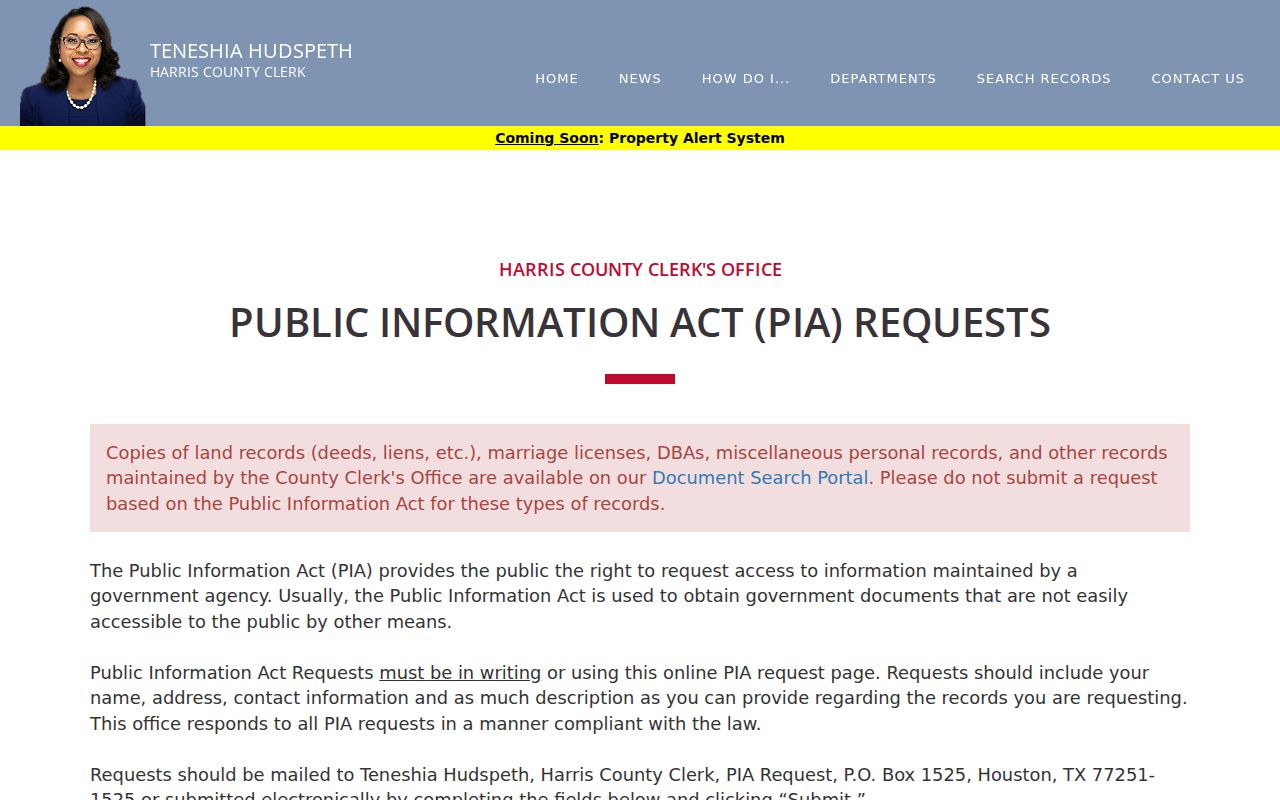
The county route shines for historic books. It also works well for records that never show up as a downloadable image.
| Access channel | Best fit | What to retain |
|---|---|---|
| Official portal | A current indexed search or available image | URL, date searched, fields used, and record number. |
| Office counter or terminal | Historic books, restricted web images, or staff-directed lookup | Volume, reel, instrument, and copy request details. |
| Archive or library | Directories, newspapers, probate, microfilm, maps, and historic context | Collection, box, folder, or reel reference. |
| Texas PIA request | An existing city or county record not online | Custodian, request date, scope, response, and any fee estimate. |