
Houston Resident Lookup Records
Different Houston records answer different questions. Use HCAD or the Harris County Tax Office when a parcel or owner connection matters. Use the voter route only for registration context. Court portals identify public cases, not a complete biography. Vital indexes can provide an event lead, while the custodian controls any certified copy. This Houston resident lookup table helps keep those records in their lanes.
| Record | Useful confirmation | Houston or Texas custodian | Access boundary |
|---|---|---|---|
| Parcel or tax roll | Owner associated with a parcel, situs, mailing address, and legal description | HCAD Property Search and the Harris County Tax Office | Public online data; HCAD states 2009-current data is online. |
| Recorded deed | Transfer parties, recording date, instrument type, and legal description | Harris County Clerk Real Property Search | Online images begin about November 1, 1960; earlier work uses office, archive, or microfilm channels. |
| Voter registration | Registration status and defined public registration context | Texas My Voter Portal or the Harris County voter portal | Protected people and protected fields are excluded or specially handled. |
| Public court index | Party, case number, court, filing date, status, or docket lead | Harris County District Clerk Party Inquiry, JP, or Municipal Court | Restricted, sealed, juvenile, and some family material is not in ordinary results. |
| Vital index or verification | Event and name lead for a birth, death, marriage, or divorce question | Harris County Clerk or Texas DSHS | Indexes, verification letters, and certified copies have different rules. |
Start with the source tied to the question, not with every name search at once. A parcel question begins with HCAD. A case question begins with the proper court. A marriage or divorce lead begins with the county or DSHS index. That choice cuts down false matches and preserves a clear record trail.
Choose a Houston Lookup Custodian
A Houston resident lookup should begin with the agency that made the record. HCAD connects an owner name, legal description, and parcel account, but a mailing address is only where notices go. The County Clerk's real-property index can then connect the parcel to deed parties and an instrument image. For one registration question, use the state or county voter lookup. For a court matter, select District Clerk, Justice of the Peace, or Municipal Court based on the court that handled it.
Each channel also has a fallback. Older land records can require County Clerk warehouse books, a central microfilm terminal, Harris County Archives, TSLAC microfilm, or a records request. The District Clerk's historical route works best with a case number, style, and date range. Houston Municipal Courts accept public-information requests through GovQA, mail, fax, or in person, rather than offering one unrestricted party search.
Verify a Houston Resident Result
One hit is a lead, not a conclusion. The most reliable way to look up a resident is to assemble independent matches. Record spelling variants, a middle initial, a known time period, and one non-sensitive anchor such as a street, organization, parcel account, court, or event year. Then compare two custodians whose records serve different purposes. Do not turn a deed party, voter entry, or tax mailing address into a statement about where someone currently lives.
- Write the name variant, approximate time, and one lawful research anchor.
- Run the official search that fits the question and save the result URL, date, wording, and record number.
- Cross-check with another custodian, such as pairing a parcel result with a matching deed image or a court index with the clerk's disposition.
- Separate an index from a document image, then request a certified copy from the custodian only when that level of proof is needed.
- When online results end, request an existing record under the Texas PIA or use the archive and library route for historical material.
- Docket
- A court calendar or event record, not necessarily the final outcome or complete file.
- Index and image
- An index is a searchable pointer. An image is the underlying document view, and may have separate access rules.
- Certified copy
- A copy authenticated by the records custodian, subject to the office's fee and eligibility requirements.
- Disposition
- The recorded court outcome or status. Get it from the clerk instead of inferring it from a charge line.
Note: Houston records can share a name while describing different people, so retain the source and date for every confirmation.
Read Houston Court Results Carefully
The District Clerk Party Inquiry requires public login and lets a searcher narrow a name by party role, filed-date range, case status, court type, and case or offense type. A bounded date range helps separate common names. The JP portal has a separate route by case number, name and date of birth, business name, driver-license number, and selected court. Public results do not include every matter, and a case status is not a certified disposition.
| Visible docket item | What to retain |
|---|---|
| Defendant or party name | The name as the court displayed it, including its spelling. |
| Case number and courtroom | The identifiers needed for a clerk request. |
| Event and docket time | Calendar context, not a final finding. |
| Offense or violation description | The label shown in the docket, without adding conclusions. |
| Case status | A starting point for a disposition or file request. |
The Harris County JP Case Search shows the separate JP search route. Its screen is useful for choosing the right fields before running a Houston resident lookup.
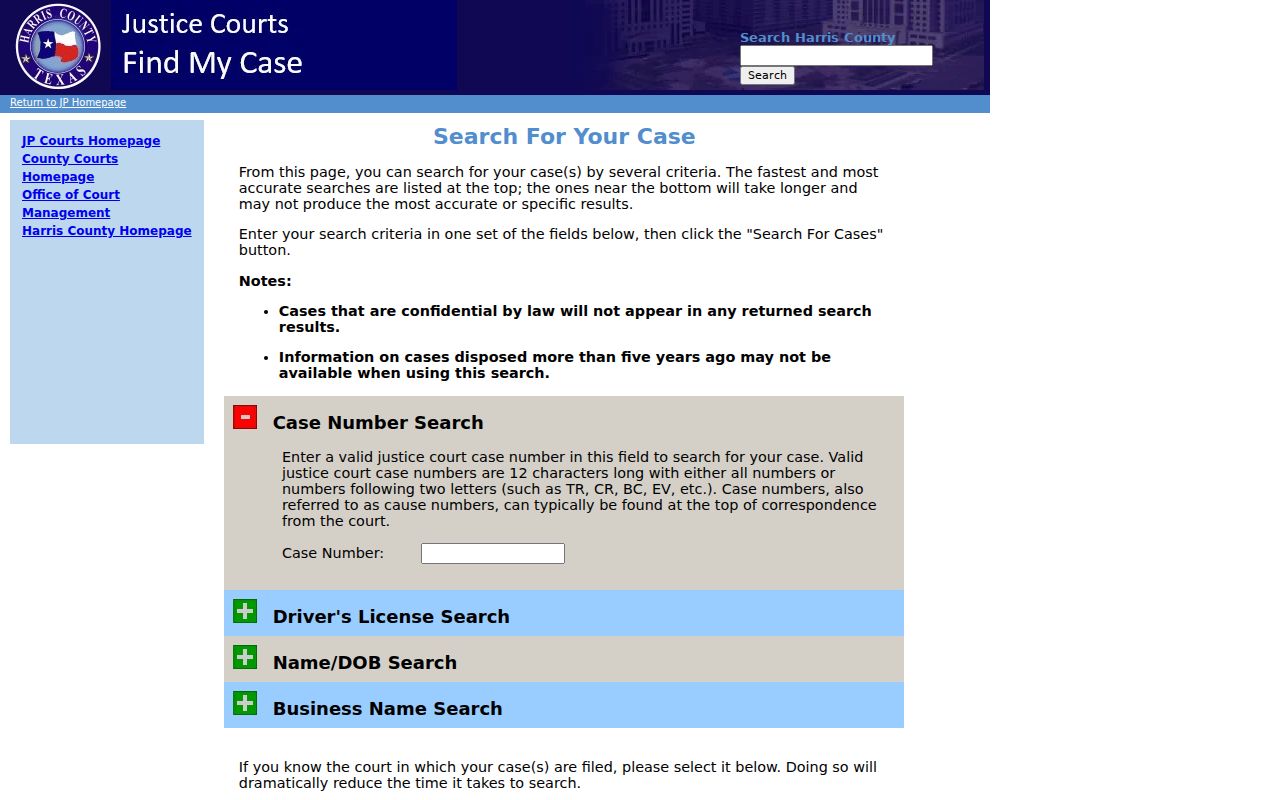
The JP search is one record layer. Confirm the case type, parties, and current status with the court that holds the file.
Houston Voter Records Need Context
Texas My Voter Portal can use a VUID, Texas driver-license information when supplied, or a first and last name. Harris County's voter portal offers personal-information and certificate-number routes, with first name, last name, address, apartment, city, state, ZIP, and certificate number fields. That makes the voter route useful for checking one registration question, not for compiling a street list.
Texas public voter information has defined boundaries. Social Security, driver-license or personal-identification numbers, and telephone information are protected. A no-match can reflect a spelling issue, a move, a status change, protected-address treatment, or portal timing. Election participation can show which elections a person voted in, but it does not disclose a ballot choice.
The Harris County voter-registration portal displays the county route for a one-person query.
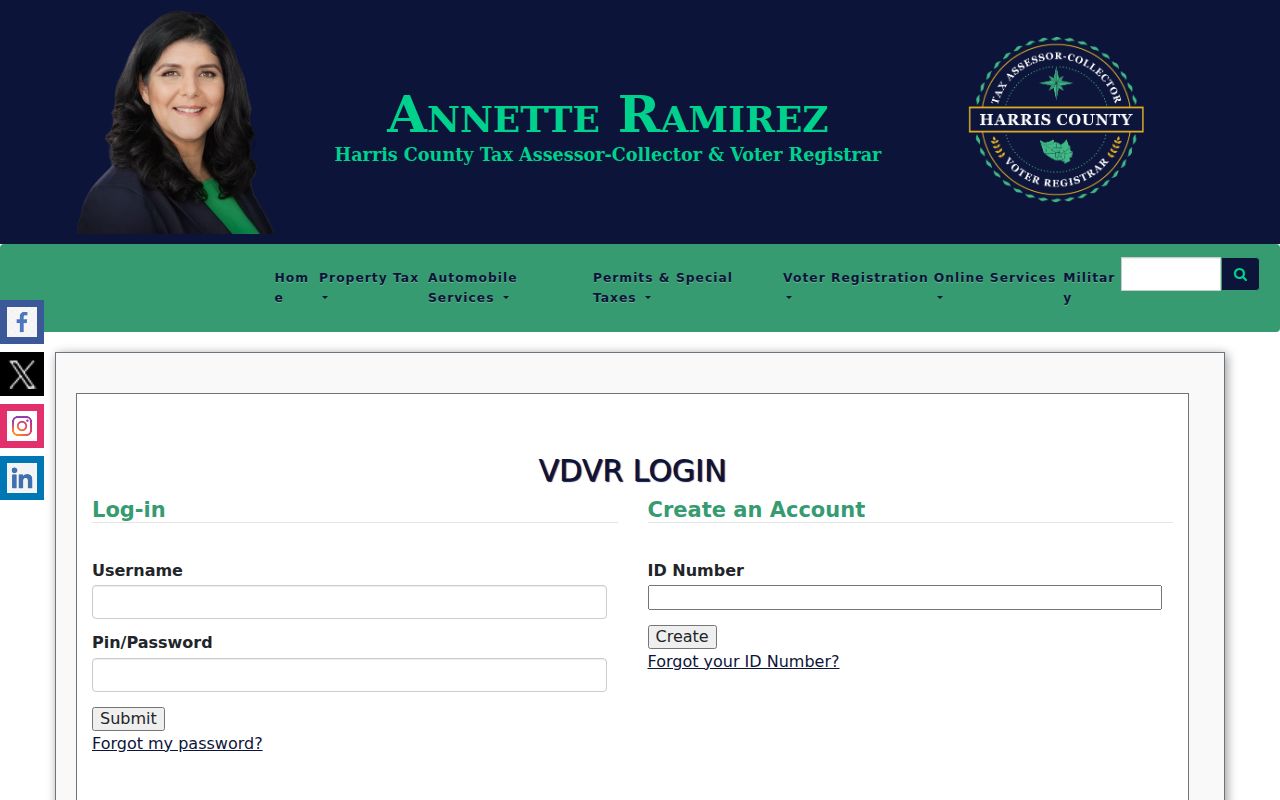
Use the resulting registration context as one comparison point, then preserve the record's public and confidentiality limits.
Houston Vital Leads and Copies
Houston births and deaths involve separate local, county, and state layers. The Houston Health Department is the local registrar for city events; the Harris County Clerk has county birth and death search paths; and Texas DSHS offers statewide indexes, verification letters, and certified records under eligibility rules. Marriage licenses come from the county clerk where filed, while a certified divorce decree comes from the district clerk. A DSHS verification letter is not the license or decree.
Texas Government Code §552.115 keeps birth records confidential for 75 years and death records confidential for 25 years. DSHS says its marriage index begins in 1966 and divorce index in 1968. Its verification application can ask for requester contact, party names, event date or range, county or place, copy choice, identity certification when required, and payment. An index hit does not establish parentage, a cause of death, or adoption details.
DSHS offers online ordering, mail service, and in-person Austin service for the state route. County personal-record appointments are separate, and the county clerk's online document search can require login for noncertified material. Match the channel to the event's place, the needed document, and the requester's legal eligibility.
The Texas DSHS marriage and divorce page leads to the state verification channel.
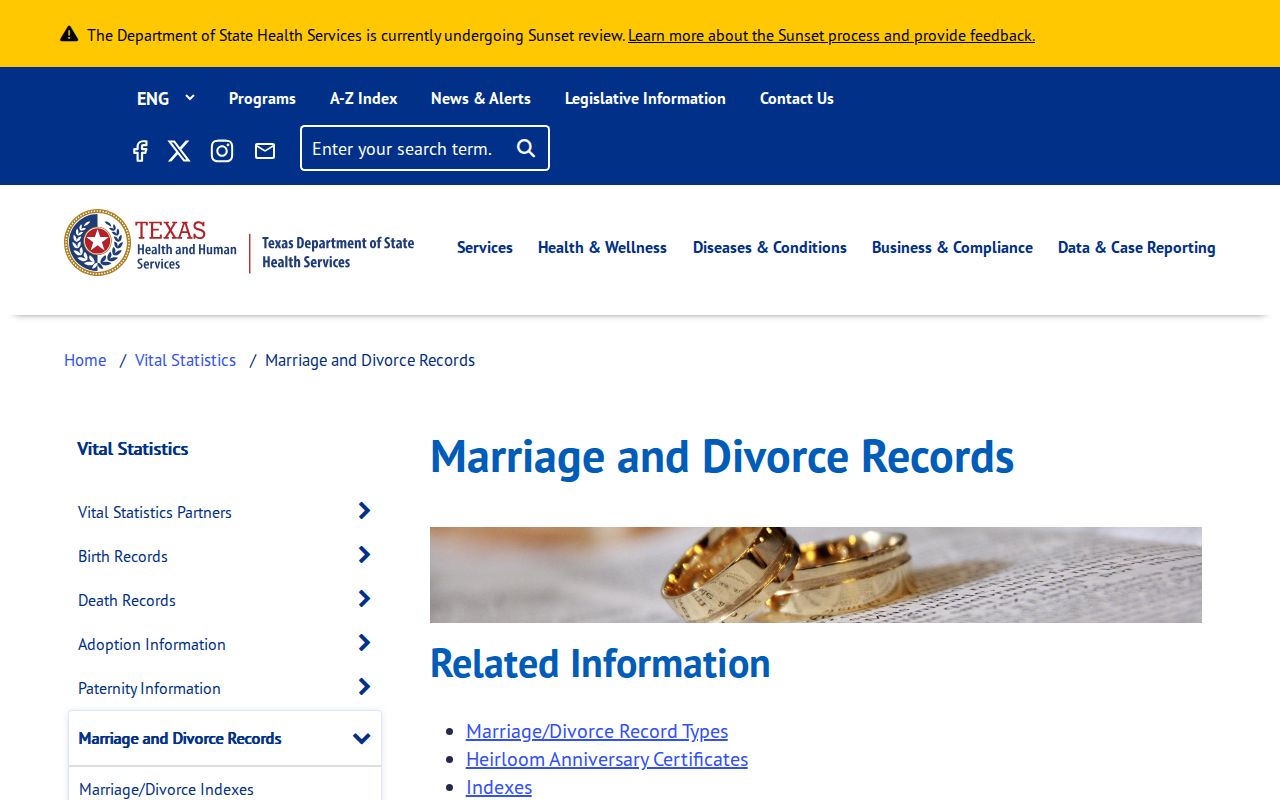
The form distinguishes a verification search from the certified record held by the appropriate local custodian.
Houston Resident Lookup Safety Records
Official custody and registry systems serve narrow purposes. The Harris County Sheriff's jail lookup is a custody snapshot, while the Texas Department of Criminal Justice search covers state custody rather than every county or municipal event. Texas DPS provides a separate public registry with name, address, ZIP, county, and map or radius modes, subject to its stated legal-use limits. Do not treat a name result in any of these systems as a complete court history or proof of identity.
The TDCJ offender search allows name, current TDCJ number, SID, previous-number, and partial-name wildcard routes.
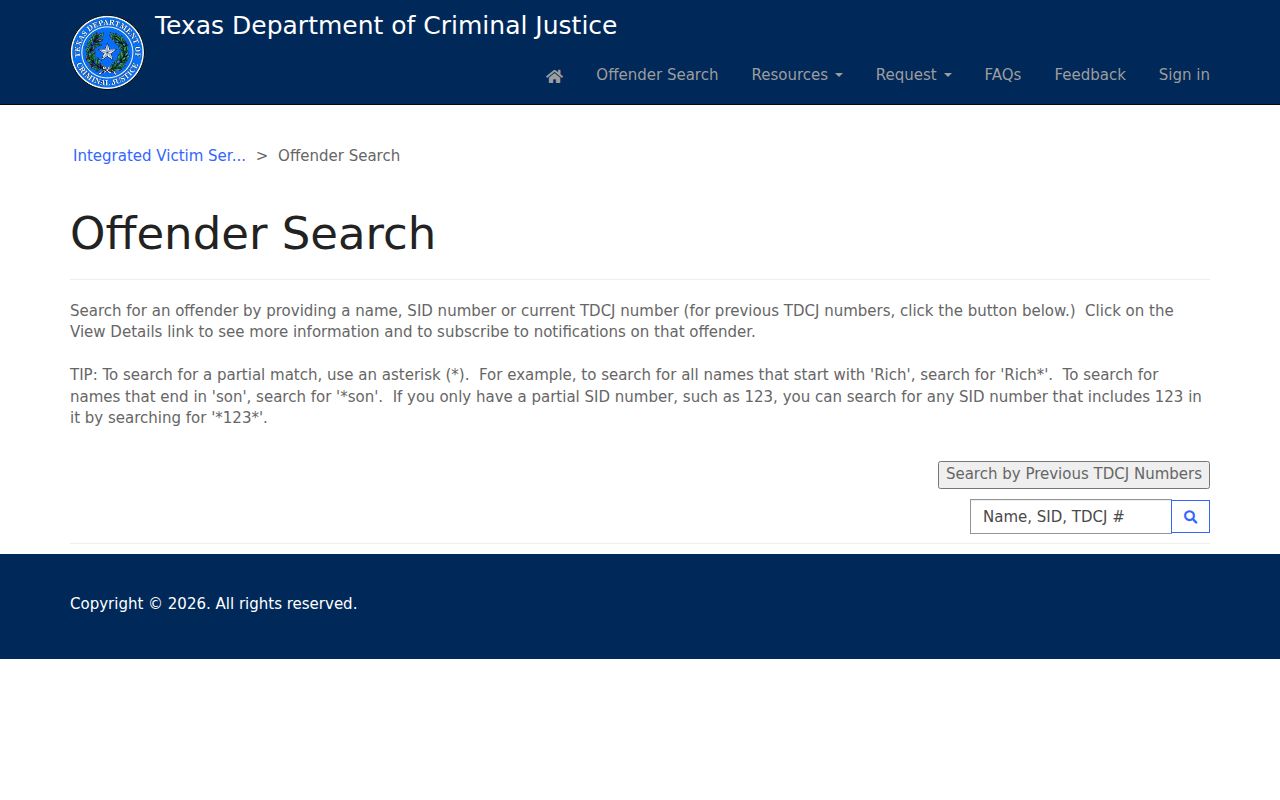
A partial-name match must be checked against the official detail record and the correct agency before it is treated as current.
The Texas DPS registry shows the official search and map entry point.
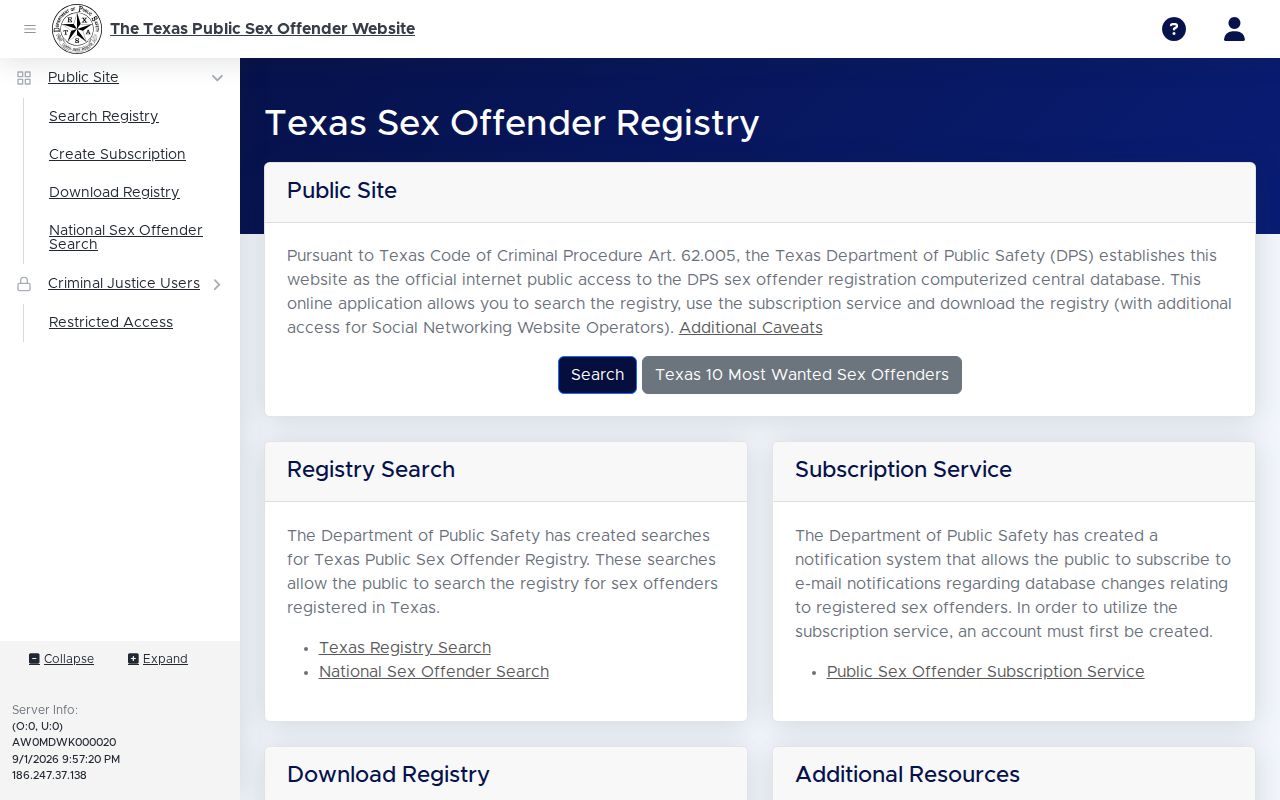
The registry has specific public-information limits and should never be turned into a tool for watching or targeting people.
Houston Address Fields Are Not Identity
HCAD mailing address, voter address, deed party, and parcel situs are different fields with different purposes. A parcel is property, not a household. A grantee receives an interest in an instrument, but may not have lived there. A voter record can confirm registration context, but does not alone prove where a person currently sleeps. This is the Houston resident lookup myth worth avoiding: several matching address fields can still describe an old relationship, a tax correspondence route, or another person with the same name.
For an heir question, combine probate, death notices, deeds, and the legal-description trail. For a former classmate, Houston Public Library yearbooks, city directories, newspapers, and a known graduation year can be stronger historical leads than a current index. Adoption and paternity details remain restricted, so birth-parent research belongs with DSHS eligibility staff or the legally authorized process, not ordinary property, voter, or court searches.
Houston Resident Lookup Fallbacks
When an official portal does not hold the needed item, ask the right keeper for an existing document. Under the Texas PIA, a written request goes to the governmental body's public-information officer or proper custodian. A requester need not state a reason, but should request existing records, images, data, or indexes rather than a new analysis. Keep the request date, exact wording, office, and response.
The Attorney General says a body must produce information promptly or, if it cannot do so within 10 business days, certify that fact and provide delay information. A cost estimate is required when the estimate exceeds $40. For historic material, use Harris County Archives, TSLAC microfilm, Clayton Library, and the custodian's office. A Houston PIA request cannot compel an agency to create a current resident list.
Houston Resident Lookup Privacy Limits
Texas Address Confidentiality Program participants can use a substitute mailing address and mail forwarding. Protected voters and eligible public employees or officers may have statutory address protections. Texas also restricts personal motor-vehicle information, and ordinary public systems do not open utility-customer or household-member lists. If a record is wrong, record the URL, number, date viewed, and exact field, then ask the source that created it about correction, redaction, confidentiality, or opt-out procedure.
Lawful use. Use a Houston resident lookup for personal, family-history, estate, civic, or records-verification purposes. Texas stalking and harassment laws still apply when an address or record was public.
HCSO warns that impostors may use real names, old addresses, fake badges, and counterfeit papers to demand payment. HCSO says it will not demand cash or bail by phone. End a threatening contact, preserve its details, and verify independently through an official agency number.